5 min read
Common Plumbing Problems in Older Philadelphia Homes
The plumbing issues we find most often in pre-1960s homes, and which ones to address first.
Low Pressure Upstairs: Usually Galvanized Pipe
Galvanized steel supply lines corrode from the inside, narrowing the usable diameter over decades. The symptom shows up furthest from the source first, which is why the upstairs shower is the usual complaint.
Replacing the affected branches restores flow. Doing it while a bathroom or kitchen is already open costs far less than doing it as a standalone project later.
Slow Drains Everywhere: Look at the Main
When one fixture drains slowly, the problem is local. When every fixture in the house drains slowly, the problem is in the main line — roots, a cracked cast iron hub, or accumulated buildup.
Clearing individual traps in that situation just delays the real diagnosis.
Cast Iron Stacks and Basement Leaks
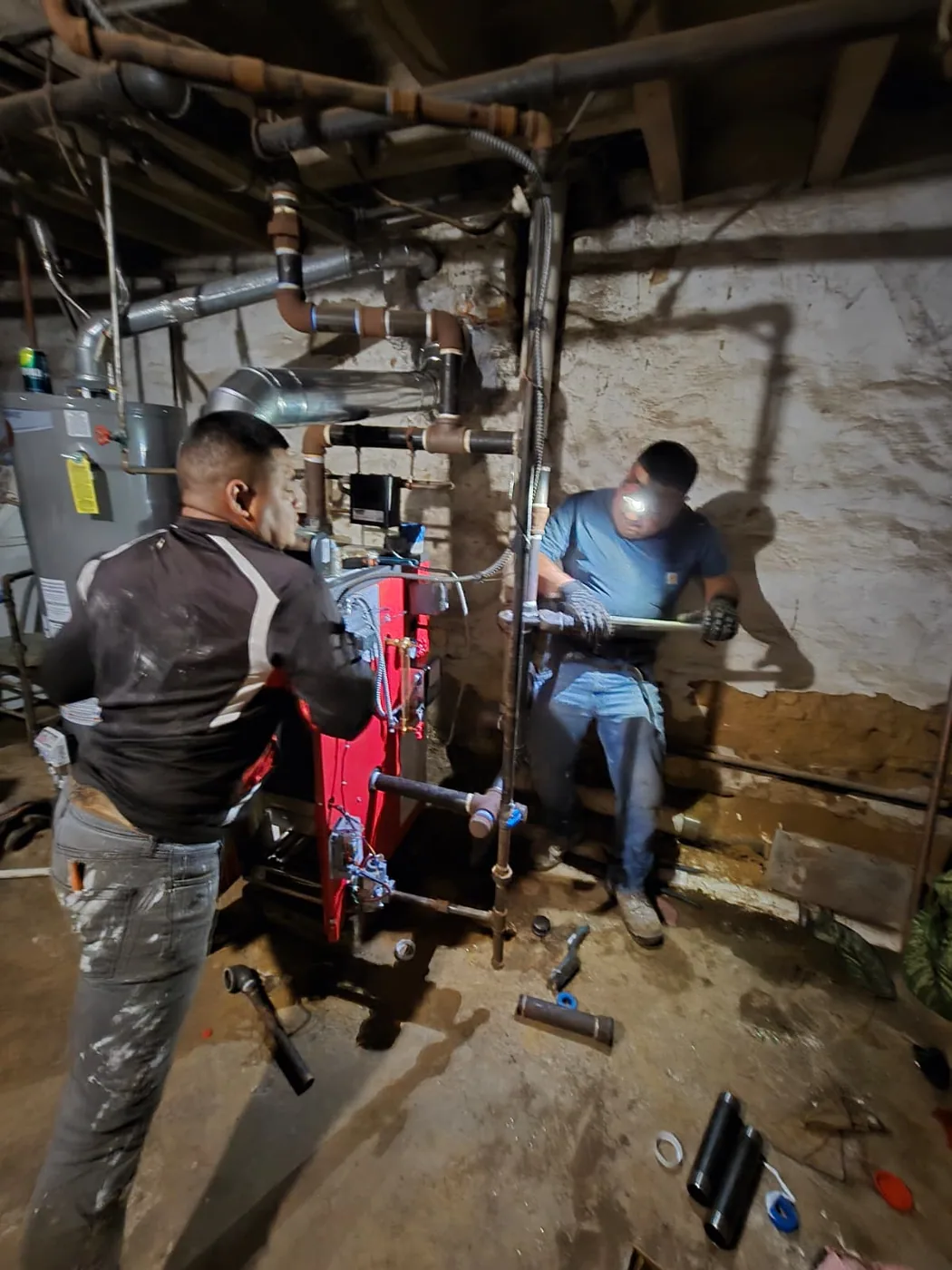
Cast iron waste stacks commonly crack near the basement floor where they have sat in moisture the longest. The early sign is usually a damp patch or odor rather than visible water.
- Damp or stained area at the base of a basement waste stack
- Recurring odor near a floor drain or stack
- Rust flakes accumulating at joints
Freeze Risk in Rear Additions
Supply lines running through unheated rear additions and enclosed porches are the pipes that split in January. Insulating them, rerouting them or adding a shutoff for the exterior line is inexpensive compared with repairing a burst line and the ceiling underneath it.
Related Services
- PlumbingPlumbing services in Philadelphia — leak detection, pipe and sewer repair, sump pumps, fixtures and remodel rough-ins. Call (484) 840-6280.
- Plumbing RepairPlumbing repair in Philadelphia — leaks, pipe damage, running toilets, clogged drains and sump pump failures. Fast, honest service. Call (484) 840-6280.
- Bathroom RemodelingComplete bathroom remodeling in Philadelphia — tile showers, vanities, flooring, fixtures and layout changes. Call (484) 840-6280 for a free estimate.