5 min read
Choosing Flooring That Survives a Busy Household
A practical comparison of flooring materials by room, traffic level and moisture exposure.
Match the Material to the Room
Most flooring regret comes from putting the right material in the wrong room.
- Hardwood: excellent in living areas and bedrooms; refinishable, but not for below grade
- Tile: best for bathrooms, entries and kitchens; hardest wearing, hardest underfoot
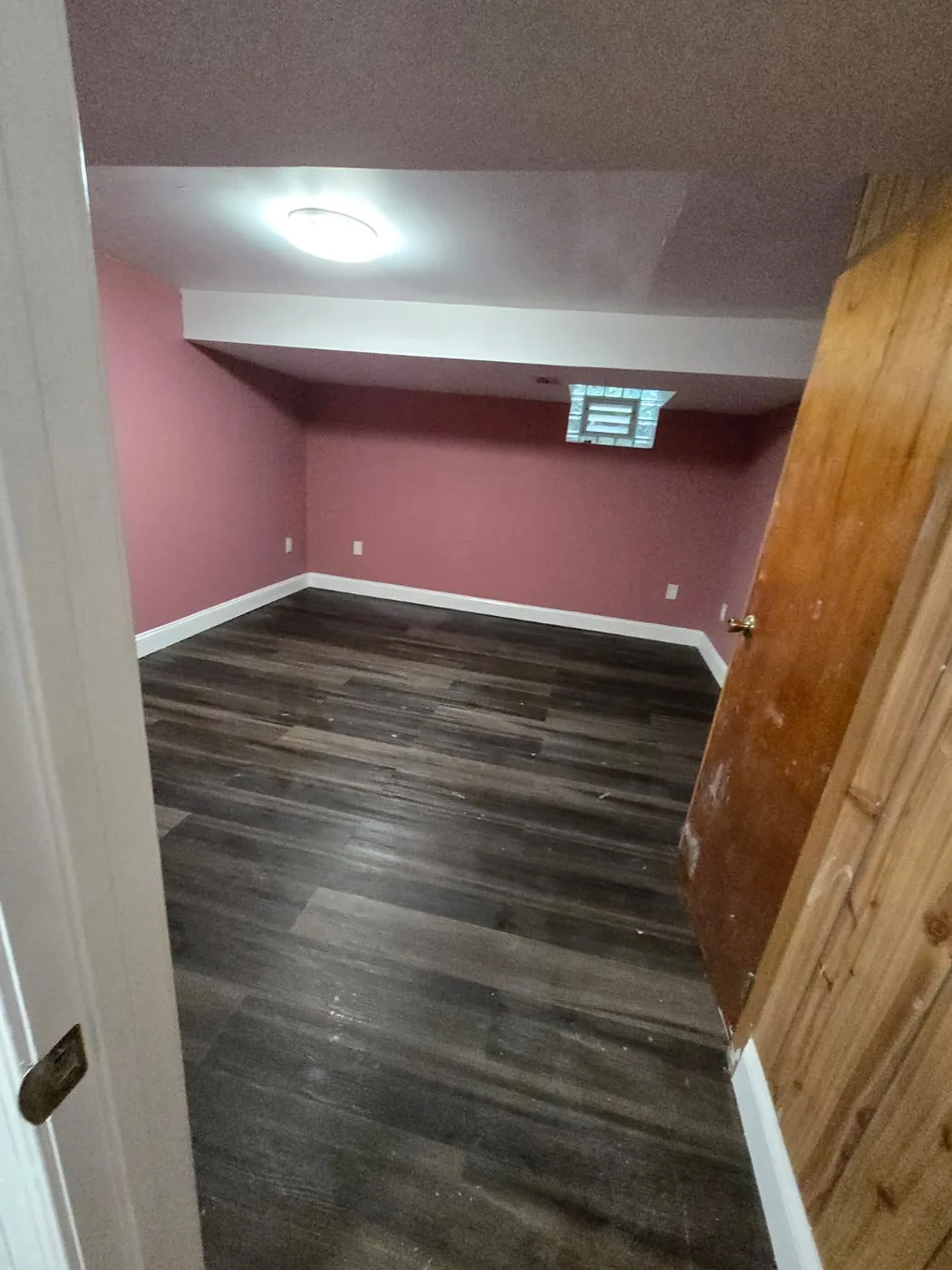
- Vinyl plank: strong all-rounder for basements, kitchens and rentals; water-resistant and forgiving
- Polished or epoxy concrete: ideal for basements, garages and commercial spaces
Refinishing Often Beats Replacing
Original hardwood in older homes frequently looks worse than it is. If the boards have thickness left and are structurally sound, sanding and refinishing restores them for less than new flooring costs — and keeps material that is difficult to match today.
The Subfloor Decides How Long It Lasts
Cracked tile, separating planks and cupped hardwood almost always trace back to what is underneath: deflection, moisture or an unlevel surface. Preparation is not an upsell; it is the part that determines whether the floor still looks right in five years.
Pets, Kids and Rentals
For households with dogs or young children, and for rental properties, a quality vinyl plank over a properly prepared subfloor is usually the best balance of durability, comfort and cost. Tile wins on pure toughness where the hardness underfoot is acceptable.
Related Services
- FlooringFlooring contractor in Philadelphia: hardwood, tile, vinyl plank, refinishing, epoxy and concrete floor coatings. Request a free flooring estimate.
- Flooring InstallationProfessional flooring installation in Philadelphia — tile, hardwood and vinyl plank installed over properly prepared subfloors. Free estimate available.
- Home RemodelingHome remodeling in Philadelphia and surrounding areas — kitchens, bathrooms, basements, stairs and full interior updates from one contractor. Free estimates.